Blog

  • Ilayankudi mara nayanar part 2

    – "மாரி மைந்தன்" சிவராமன்

    கண்ணீர் மல்க கணவனை அழைத்த புனிதவதி 
    மெதுவாய்ச் சொன்னாள்.

    "பிராண நாதா…
    நாம் இருவரும் 
    ஒன்றை மறந்து விட்டோம்.

    "அடுப்பு எரிக்க 
    விறகு வேண்டாமா?

    வீட்டிலும் விறகில்லை.
    வெளியில் தேடினாலும் ஈரம் பட்டு
    நமத்துப் போய் இருக்கும்"
    கண்ணீர் சொரிந்தாள்.

    கவலை மிகுந்து
    என்ன செய்வது 
    என புரியாமல்
    தலையைச் சொறிந்தபடி
    வீட்டை நோட்டமிட்ட
    மாற நாயனாரின் 
    கண்களில் பட்டது மேற்கூரை விட்டம்.
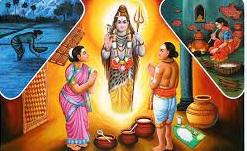
    வறுமையின் 
    கோரத் தாண்டவத்தில்
    சிதிலமடைந்து
    கவனிப்பாரின்றிக் கிடந்த
    வீட்டின் ஒருபுற மேற்கூரையில்
    மரப்பட்டைகள் ஆங்காங்கே 
    காய்ந்து தொங்கிக் கொண்டிருந்தன.

    சட்டெனத் தாவி அவற்றைப் பிடுங்கி மனைவியிடம் தந்தார் மாற நாயனார்.

    "போதுமா தாயே"

    "இப்போதைக்குப் போதும்" 
    மனம் நெகிழ்ந்தாள் மனையாள்.

    இனி 
    புனிதவதிக்குத் தானே புனிதமான வேலை ?

    நெல்மணிகளை அப்பியிருந்த 
    சேற்றை நீக்கி,
    தண்ணீர் விட்டு அலசி,
    அழுக்கு நீக்கி,
    அடுப்பில் இருக்கும் சட்டியில் லேசாக வறுத்து,
    போதுமான பதத்தில் அவற்றை உரலில் இட்டு,
    எழும் ஓசை 
    சுவாமிகளின் செவிகளைத் தொடாதவாறு
    மெல்ல இடித்து,
     உமி, அரிசி 
    என வேறாகப் பிரித்து
    அரிசியை மட்டும் 
    தனித்து எடுத்து 
    சோறு ஆக்கினாள்.

    கீரையையும் காய்களையையும்
    கறியாகச் 
    சமைத்து முடித்தாள்.

    சமையல் வேலை முடிவுற்றதும்
    புனிதவதி 
    முகமலர்ந்து 
    கணவனைப் பார்த்து
    தலையசைத்தாள்.

    அதற்காகவே காத்திருந்த மாற நாயனார்
    சுவாமிகளின் அருகில் சென்று மெலிதாக அழைத்தார்.

    "சுவாமி…
     எழுந்தருள்வீர்!
    அமுது தயார்!!"

    அதற்காகவே காத்திருந்தவர் போல் எழுந்தார் 
    ஏழு உலகமும் போற்றும்
    கருணாமூர்த்தி.

    எழ முயன்ற
    அதே கணத்தில் 
    கோடி சூரிய ஒளியாய் பிரகாசித்து 
    ஜோதி சொரூபமாய் 
    காட்சி அளித்தார் சிவனடியார் உருவில் வந்த சிவபெருமான்.

    இளையான்குடி 
    மாற நாயனாரும்
    ஈடில்லா மனைவி புனிதவதியும் அதிர்ச்சியில் செய்வதறியாது 
    திகைத்து நின்றனர்.

    அனிச்சையாய் 
    அவர்கள் கரங்கள் கைகூப்பின.
    சிரங்கள் 
    தாழ் பணிந்தன.
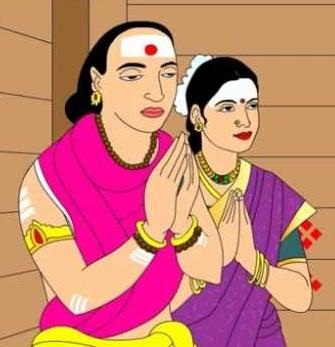
    காட்சி தந்த கடவுளரின் காணக்கிடைக்காத
    முடி பார்த்து 
    முகம் தரிசித்து அடிபணிந்து 
    காலடி விழுந்து 
    அவரின் அடியையும் தொழுது வழங்கினர்.

    சிவனது 
    அடியையும் முடியையும் பார்க்கும் பேறு திருமாலுக்கும் பிரம்மாவுக்கும் கிடைக்காத 
    பெரும்பேறு அன்றோ ?

    அப்பேறு
    அடியார்க்கு அடியாராய் சிவ சேவை புரிந்த மாறனார் தம்பதியினருக்கு
    இறையே 
    நேரில் வந்து தந்தது 
    பெரும்பேறு அன்றோ !

    உலகாளும் 
    உமையவர் 
    உரத்த குரலில் 
    சொன்னார்.

    "புண்ணிய சீலரே! புனிதவதியே! 
    நீவிர் இருவரும் 
    உரிய காலத்தில் 
    சிவபுரம் 
    வந்தடைவீர்கள்.

    சிவபுரியில் 
    சிவகணங்கள் ஆகி 
    சிவபணி தொடர்வீர்கள்.

    அங்கே 
    உங்களுக்காக 
    என் நண்பன் 
    குபேரன் 
    காத்திருப்பான்.
    வரவேற்பான்.

    சங்கநிதி, பதுமநிதி இரண்டையும் 
    இரு கரங்களில் 
    ஏந்திக் கொண்டு
    உங்கள்
    ஏவலுக்கு
    பணி செய்வான்."

    புன்னகைத்தபடியே மறைந்தார் 
    மழை நேரத்தில் வந்த
    மறை நாயகன்.

    அப்போது 
    ஒரு பெரும் 
    தொடர் மின்னல்
    வெளிச்சத்தைப் பீச்சியடித்தது.

    அம்மாதிரியான 
    பெரும் மின்னல் குடிசைக்கு ஆபத்தை விளைவிக்கும்
    என அறிந்திருந்த இருவரும் வீட்டைவிட்டு
    வெட்டவெளிக்கு ஓடிவந்தனர்.

    மின்னல் தொடர்ந்தது.
    "திருச்சிற்றம்பலம் திருச்சிற்றம்பலம்" என்றபடியே 
    கணவனும் மனைவியும்
    ஒருவருக்கொருவர் ஆதரவாய் 
    கரங்கள் பிடித்தபடி 
    சில நொடிகளுக்கு 
    முன் பெற்ற 
    பேரருள் தரிசனத்தையும் மறந்து நடுங்கியபடி
    நின்றிருந்தனர்.

    அப்போது
    திடுமென தோன்றிய மின்னலின் ஊடே
    வானில் தோன்றி
    சிவனும் பார்வதியும் தம்பதி சமேததராய்
    ரிஷப வாகனத்தில் 
    அருட்காட்சி அளித்தனர்.

    அக்காட்சியைக் கண்குளிரக் கண்ட 
    மாறனார் தம்பதியினர்
    கண்ணீர் மல்க
    உரத்த குரலில் 'திருச்சிற்றம்பலம்…
    திருச்சிற்றம்பலம்'
    என்று இறைதொழுதனர்.

    காணக் கண்கோடி வேண்டுமே என 
    மாற நாயனார்
    மகிழ்ந்திருந்த நேரத்தில்
    ஆசீர்வதித்த படியே
    விண்ணில் மறைந்தனர் இறைவனும் இறைவியும்.

    அதன் பின்னர் 
    சில காலம்
    மாறநாயனார் –
    புனிதவதி தம்பதியினர்
    இளையான்குடியே 
    வியந்து 
    தொழும் வண்ணம்
    சிவனடியார்க்கு பணிசெய்து விட்டு
    இறையடி சேர்ந்தனர்.

    'உலகில் 
    மனிதராகப் பிறந்ததன் பிறவிப் பயன் 
    அடியார்க்கு 
    அமுது படைத்தலே' என்கிறார் 
    திருஞான சம்பந்தர்.
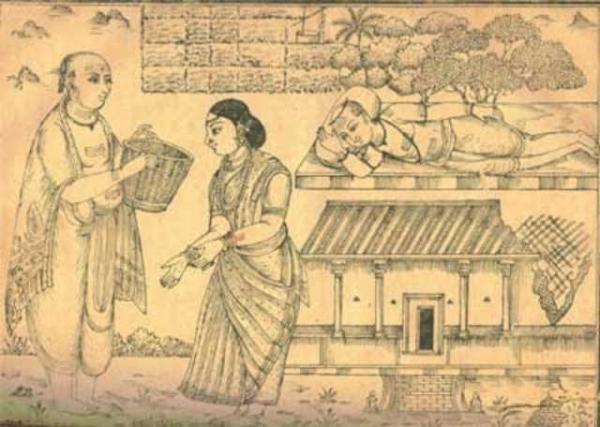
    இதையே 
    பின்னாளில்,
    நடைமுறை 
    உலகிற்கு ஏற்ப தடையின்றி 'பசித்தவருக்கு
    அன்னதானம் செய்க' என்று ஆணையிட்டு
    'அணையா அடுப்பு' அமைத்தார்
    அருட்பெரும் ஜோதி கண்ட
    வள்ளல் பெருமான்.

    மகேஸ்வர பூசை செய்பவர்களை 'மகேஸ்வரர்' என்று 
    அழைக்கிறது ஆன்மிகம்.

    இளையான்குடி 
    மாற நாயனார் புராணம் நமக்கு
    சொல்லியுள்ள 
    சிவ ரகசியம்  
    என்ன தெரியுமா ?

    'வறுமையிலும் 
    சிறுமையின்றி முடிந்தவரை பசியாற்றுங்கள்'
    என்பதே.

    'இளையான்றன் குடிமாறன் அடியார்க்கும் அடியேன்' என இளையான்குடி 
    மாற நாயனாரின் 
    கீர்த்தியை
    உலகுக்கு உரைக்கின்றார் சுந்தரமூர்த்தி நாயனார்.

    திருச்சிற்றம்பலம்.

    (இளையான்குடி மாற நாயனார் புராணம் – நிறைவுற்றது.)
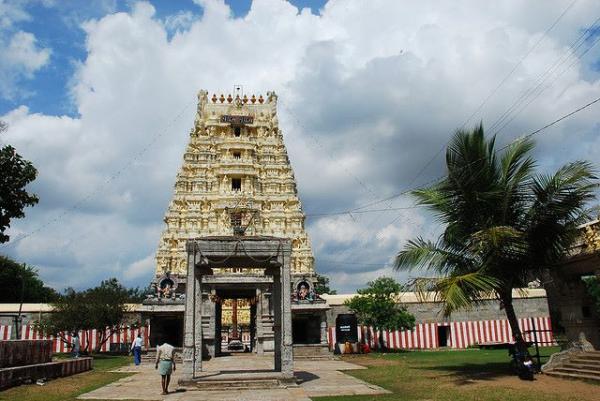
     

  • Thiruvalangadu Vadaaranyeswarar Temple

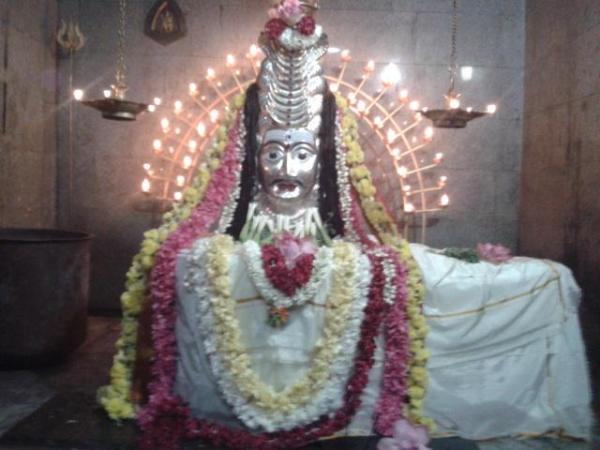
    There are 5 temples known as Pancha Sabhas, where Lord Shiva did the cosmic dance. Thiruvalangadu Vadaaranyeswarar temple is one of them which is called Rathna Sabhai. This temple is situated in Thiruvalangadu which is a small town in between Arakkonam and Thiruvallur districts. Vadaaranyeswarar Temple is one among the Padal Petra Sthalams in Thondai Mandalam (Northern Tamilnadu) which is mentioned as Thiruppazhayanur in Tevaram.

    Through the evidences of inscriptions, Sri Vadaaranyeswarar Temple dates back to 5th century. Later in 12th century this temple is enovated and extended by the Cholas. Main deity of this temple Lord Shiva is called Vadaaranyeswarar (God of northern forest) or Alavananathar (God who lives in banyan forest). Parvathi Devi in this temple is called Vandarkuzhali or Alavana Nayaki. Banyan tree is the shala vriksha of this temple.

    Legend says that, two demons Sumba and Nisumba chose this banyan jungle for their stay and began harassing the Devas. Devas appealed to Mother Parvathi for protection. Mother Parvathi appeared as furious Kali and destroyed the demons. Kali consumed the blood of the demons and their army and grew more furious. At the request of Sage Munjikesa Karkodaka, Lord Shiva reached the place. Kali challenged the Lord for a dance and said that she would give her right in the place to the Lord if he won. The dance began. Lord dropped his ear ring on the ground, picked it by the toe of his left leg and fixed it back on his ear in the dance. Kali accepted her defeat and said that she could not do such a marvellous dance. Lord Shiva said that he alone was equal to her and said further that those coming to worship him in this temple should worship her first to reap the full benefit of the worship. Since then, Kali has her own temple to grace the devotees.

    It is in this temple that Lord Shiva addressed the Great Saint devotee Karaikkal Ammaiyar as "Ammaye". Ammaiyar reached this temple by head as she thought walking by feet to Lord’s shrine was a sin. Ammaiyar even enjoyed the dance performance of the Lord standing upside down. She reached the state of bliss here.

    This is a very important temple for classical dancers as they worship here to master the art. Margazhi Thiruvadhirai (in the month of December-January) is the most important festival of this temple.

  • Thiruindaloor Parimala Ranganathar Temple

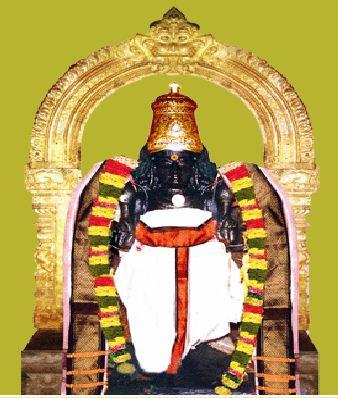
    Parimala Ranganathar Perumal Temple or Tiruindaloor is dedicated to Lord Vishnu, located in Thiruvilandur of Mayiladuthurai district. It is one of the Divya Desams, the 108 holy temples of Vishnu revered in Nalayira Divya Prabandham by the Alwars (the 12 poet saints). This temple is in the banks of river Kaveri and is one of the Pancharanga Kshetrams and is called as Andya Rangam (Last Arangam). Srirangam is the first Rangam.

    It is believed that River Kaveri is given the holy status of Ganga in this Kshethram. She is being taken by God as bed in Srirangam, as mother in Thirusheri and above his head in this Parimala Ranganathar temple, like River Ganga occupies the head of Lord Shiva. Parimala Ranganathar is believed to have appeared for Chandra, the moon god. This is how the place got the name Thiruindaloor (Indu Means Moon). This place is where moon god Chandra is believed to have been relieved of his curse. Chandra worshiped Vishnu who appeared to please the devotee.

    According to another legend, the azhwar saint Thirumangai Azhwar visited the temple and the doors were locked at the time. Lord Parimala Rangan Shut the door on Azhwar reasoning that he was late. Upset at this Azhwar argues vehemently with Lord. Still Parimala Ranganathar refused to open the door. Frustrated and dejected by this, Azhwar decided to leave the place saying “வாசி வல்லீர் இந்தளூரீர் வாழ்ந்தே போம்நீரே”, meaning “I am leaving. You live yourself here and enjoy life”. After this heated argument Lord Parimala Rangan praised and persuaded Thirumangai Azhwar to sing. After hearing the beautiful Tamil of Azhwar, Lord opened the door and gave Darshan. 10 Pasurams were sung by Thirumangai Azhwar on Parimala Rangan.

    Thayar of this temple is called Parimala Ranganayaki. The temple follows Pancharatra Agama and thenkalai tradition. The major festival celebrated in the Parimala Ranganathar Temple is the Chithrai festival, celebrated during the Tamil month of Chittirai (April-May). The other festivals in the temple include the 10-day Aaandal Aadi festival celebrated during July-August, Thayar Navaratri Utsavam during the Tamil month of Purattasi (September – October). Like many temples in the Kaveri Delta region, Kadaimuka Snanam or Mudavan Muzhukku is also celebrated in this temple during the tamil month Aippasi, when the river Kaveri joins the sea. Thousands of people will gather on that day to take holy bath in the river.


  • MAY 11 RASI PALAN TODAY

    மே 11…. அமாவாசை நாள் ராசிபலன்…. 
    இன்றைய ராசி பலன்
    மேஷம் – தடங்கல்
    ரிஷபம் – நஷ்டம் 
    மிதுனம் – வெற்றி
    கடகம் –  ஆர்வம் 
    சிம்மம் –  புகழ்
    கன்னி –  சுபம் 
    துலாம் –  தோல்வி
    விருச்சிகம் –   பயம் 
    தனுசு –   லாபம் 
    மகரம் –  களிப்பு
    கும்பம் – வரவு
    மீனம் –   காரியசித்தி 
    சந்திராஷ்டமம்    – அஸ்தம், சித்திரை
     

  • MAY 11 AMAVASAI

    மே 11 – அமாவாசை
    பிலவ வருடம் – சித்திரை 28
     அமாவாசை 
    11-மே-2021 செவ்வாய்  
    நல்ல நேரம்    :    7.30 – 9.00    
    ராகு    :    3.00 – 4.30    
    குளிகை    :    12.00 – 1.30
    எமகண்டம்    :    9.00 – 10.30                          
    திதி    :    அமாவாசை          
    திதி நேரம்    :    அமாவாசை    ந.இ    1.24
    நட்சத்திரம்    :    பரணி    ந.இ    12.06
    யோகம்    :    சித்த யோகம்
    சந்திராஷ்டமம்    :    அஸ்தம்,சித்திரை
    சூலம்    :    வடக்கு
    பரிகாரம்    :    பால்
     

  • Pazhamudhircholai Murugan Temple

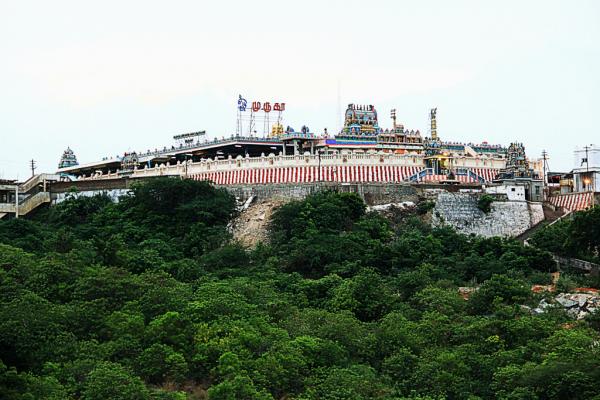
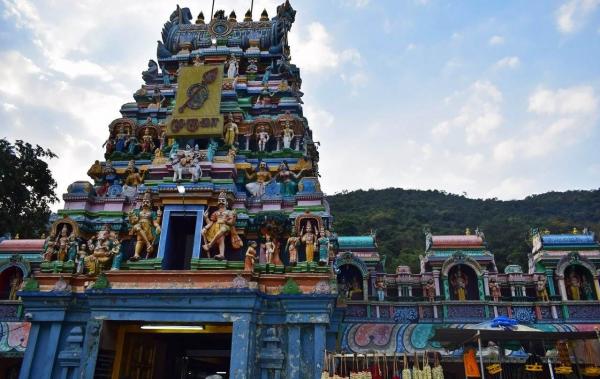
    Pazhamudircholai Murugan Temple is a Hindu temple, located about 25 kilometres north of Madurai, atop a hill covered with dense forests. One of the six important abodes (Arupadaiveedu) of Lord Muruga, it is close to the Vishnu temple of Azhagar Kovil.

    Pazhamudircholai is a fertile hill, blessed with nature’s bounty in the form of innumerable fruits, vegetables and natural springs. It is a dense forest where Lord Murugan’s consort Valli is supposed to have lived. The temple itself is relatively small with Valli, Deivayanai, and Lord Muruga in a separate shrine. Lord Ganesha is also present in a separate shrine. There is a Temple Tower and monkeys play around the area. There is another small temple above Pazhamudhir Cholai where local tribes lead their lives.

    Although there are hundreds of Temples in Tamil Nadu for Lord Muruga, six particular temples called Arupadaiveedu are very famous among them. Important events in Lord Muruga’s history happened in these places. Among the Arupadaiveedu, Pazhamudircholai is the last. Lord Muruga at Pazhamudircholai is praised in several works of ancient Tamil literature such as the Silappathikaram, the Ettuthokai and the Pattupattu.

    The great Tamil poet and saint Avvaiyar was tested by Muruga here. In an episode of Divine Play with Avvaiyar, one of the most famous devotees of Muruga, the Lord enacted the following drama. One day Avvaiyar became tired while traveling under the hot sun and sought refuge under the shadow of a fruit tree, hungry and thirsty, when a boy who sitting on the tree asked her whether she wanted fruits from the tree. When Avvaiyar told him that she did, the boy asked Avvaiyar whether she wanted roasted fruits or unroasted fruits. Avvaiyar who was a famous Tamil poet and incredibly knowledgeable litterateur scoffed silently at the very thought of the existence of a “roasted fruit” and decided that the boy didn’t have knowledge even about a fruit. However, tired as she was, she decided that she didn’t want to argue with the boy and asked him to pick unroasted fruits for her, which the boy then proceeded to do. Several fruits fell out of the tree and Avvaiyar picked them up, blowing on them to remove the sand. Smiling, the boy asked Avvaiyar if she was blowing on his “roasted fruits” to cool them down.

    Avvaiyar was astonished as to how a small village cowboy could have played such an intelligent drama. Blowing on the fruit to remove the sand was indeed poetically comparable to an attempt to cool “roasted fruits”. Humbled by the immense poetic knowledge and clever wordplay of the boy, Avvaiyar begged the boy to reveal his true identity, unable to reconcile herself with the fact that a simple cowherd could have such profound thoughts. The boy then disappeared and, in his place, Lord Muruga appeared. Avvaiyar, stunned to find herself in Divine Company, bowed in obeisance and realising the infinite nature of knowledge, prayed to Muruga to bless her and continue bestowing his Infinite Grace on her to aid her virtually endless quest for knowledge.

    Naaval tree (Black Berry) is the Sthala Vriksham of this temple. Usually, black berry trees yield fruits during Tamil month of Aadi and Aavani (Julu-September). But strangely in Pazhamudhircholai, they yield on Aipasi (October-November) the month in which the most important Kandha Shashti festival for Lord Muruga occurs. Pazhamudhircholai is the only temple in Arupadai Veedu, where Lord Murugan blesses the devotees with both of his consorts Valli and Deivaanai. Hence devotees pray for wedding and for their children in this temple.


  • Thingalur Kailasanathar Temple

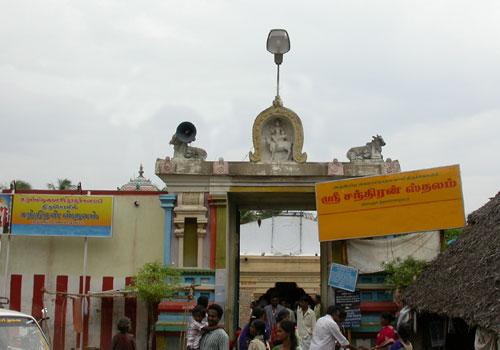
    Kailasanathar temple or Chandiranathar temple is located at Thingalur, 15 kms from Thanjavur. Lord Shiva is called Kailasanathar in this temple. This is one of the Navagraga Thalams (9 temples of 9 planets). Soma or Chandiran or Thingal (moon) is worshiped here. That is how this village got the name Thingalur. This is also one of the 275 Padal Petra Sthalams.

    Legend has it that, a merchant Appoodi Adikal, a nayanar in the village of Thingalur who was a devotee of Shiva. Appoodi Adikal held Thirunavukkarasar (Appar) in high regards. He had many establishments in the village named after Thirunavukkarasar. One day, Thirunavukkarasar arrived at Thingalur and was surprised to see so many establishments in his name. Apoodi Adigal was fascinated to meet his idol in person and launched a grand feast. He sent his son to pick plaintain leaves to serve the feast, who was killed by a venomous snake bite while the saint was being hosted. Appar, moved by Appoodi Adikal's devotion is said to have miraculously restored the lad to life by praying Lord Kailasanathar with his Tevaram song “Ondru Kolam”. Saint poet Sekkizhar mentions the story of Appudhi Adigal in Periya Puranam with 46 verses.

    As per another legend, Chandra (moon), the handsome looking deity, married 28 daughters of Dakkan. He showed preference only to the last one among them, which infuriated the others. They all complained it to Dakkan, who cursed moon to lose all his powers. Chandra is believed to have worshiped Kailasanathar at this place and was restored all his powers.

    The temple is one of the popular Navagraha pilgrimage in the state, as it houses the Shrine of Moon (Thingal). The planets are believed to influence the horoscope, which is computed based on time of one's birth and subsequently influence the course of life. Each of the planets are believed to move from a star to another during a predefined period and thus sway over an individual's fortunes. The Navagrahas, as per Hindu customs, are believed to provide both good and bad effects for any individual and the bad effects are mitigated by prayers. As in other Navagraha temples, the common worship practices of the devotees include offering of cloth, grains, flowers and jewels specific to the planet deity. Lighting a set of lamps is also commonly followed in the temple. As per local legends, Shiva, the overlord of the nine planetary deities, allowed them to freely grant wishes based on devotion of the devotees. The temple is frequented by devotees with mental illness and family problems as this is the parigara sthalam for Chandra.

    Devotees pray for mental health, progress in education and for child boon in this temple. There is a common ritual among thousands of families in Delta region that they commence here in Thingalur temple with infants of the family for their first rice feeding. Usually this function is celebrated on Revathy, Ashwini, Uthiram, Mrigaseerisham, Swathy, Thiruvonam and Sathayam star days, during the Chandra Horai time (Chandra Horai is the best time of the day for doing good things). This is called ‘Annaprasana’. Before feeding, the child is shown the moon and a cow, thus bringing the blessings of Jala Devatha (Water God) and Aushadhi Devatha (God of Medicine) for the good health of children.

  • Parvathamalai Malligarjuna Temple

    Parvathamalai is one of the most sacred and lesser-known places in whole India, where a temple for Lord Shiva which was set up by Siddhars in the hill top to meditate and attain enlightenment. Parvathamalai is situated in the outskirts of Thiruvannamalai district. The ancient name of this place is Navira Malai, as mentioned in Sangam Literature which means king of all mountains.

    It is said that Parvathamalai is the spot of hidden supreme powers were lots of miracles happen. Many pilgrimages have witnessed the darshan of Siddhars in this mountain. Main deity of this temple is Lord Shiva in the name of Malligarjuna and his consort Parvathi is called Brammarambal or Akilandeshwari Amman. This Lingam was established by Sidhdhar Bogar himself and conducted ceremonies for many years. Malaipadugadam, a Sangam literature written 1800 years ago mentions this mountain as Navira Malai and Lord as “Kaariyundi Kadavul” (God who took all the poison to save devotees). It also mentions that Emperor Nannan of Sangam era worshipped here regularly. So, it is evident that the temple dates back to 2000 years.

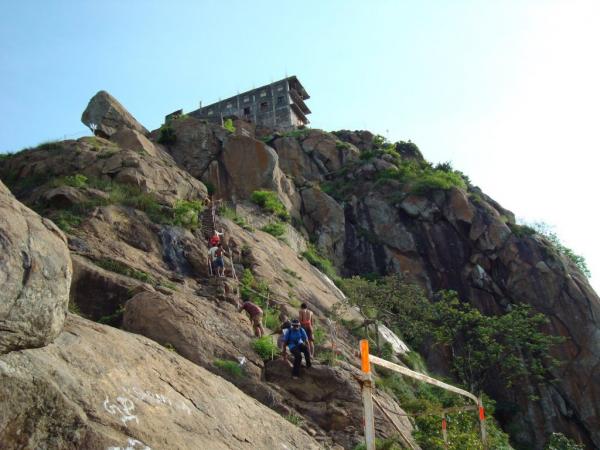
    One needs complete devotion to trek this 4500 ft mountain, as the steep is very difficult to climb. For trekking enthusiasts, Parvathamalai trek is sure to give a great experience since it contains many types of steps, boulders and odd steps to climb up the hill. One can reach the hilltop temple by two routes that combine in the half-way until the top. The two routes are the Thenmadimangalam route which is usually taken by the pilgrimages and Kadaladi route that is usually chosen by the trekkers since it is a bit tougher than the other route. There is one more route from Mambakkam that is very rarely used since it is very steep and its difficulty.


    Speciality of the temple is, anybody with devotion and belief can enter the sacred sannidhi of Lord Shiva and perform poojas, abishekam, aaradhana, alankara by touching the Holy Lingam. There is no door to the temple and is never closed at any time. Many pilgrimages used to stay in the night in the hilltop as they witness many suprising miracles. Many accept that they got the darshan of Siddhars performing pooja. It is believed that the smell of camphor, ringing bells and floral smells are the signs of Siddhars performing pooja. One can witness the miracle of Goddess Brammarambals face glows in the dark night of Ammavasai (no moon day), which is one of the divine mysteries of this mountain temple.

    This mountain contains many rare and beautiful flowers that bloom at night and there is a pleasant smell of the herbal flowers that heals one's mind and soul. Before one reaches the hilltop, there is a ruined fort that was built by king Nannan around 200 A.D, who was the lord of Cheyar and was the Chieftain of Chengam. This hill is steep and with different kinds of steps. One part of the hill is a path that contains rods called Kadaparai to hold and climb up the steep hill and hence this stretch of the mountain is called Kadaparai Malai (crowbar hill path). It is a natural wonder that it presents itself in different shapes from eight directions around the hill.


    There is an ashram that is located near Veerabhadrar Shrine at the foot of the hill, where one can get free food and the guidance of the route to the top. On the way, before reaching the hills there are temples dedicated to Lord Hanuman, Vinayagar, Pachai Amman along with 7 Muniswarar, Vana Durga and Lord Muruga. There is a Sannidhi outside Lord Malligarjuna Shrine, where there are idols of 18 Sidhdhas sitting around Shivalinga, which gives divine feel to all devotees.


    The devotees and the pilgrimages who are visiting the temple believe that the lord relieves them from all the sorrows of life and helps to walk into the path of enlightenment. The lord Shiva shows the way in each step of this mountain. Chant the mantra Om Namah Shivaya, to reach the top with power in mind to climb up and seek his blessings.


  • Thirumazhapadi Vaidyanatha Swamy Temple

    Sri Vaidyanatha Swamy temple is on the banks of the river Coleroon or Kollidam at Thirumazhapadi, in Ariyalur district. The Kollidam river flows northward here in the vicinity of the temple. This temple is one of the important ‘Padal Petra Sthalams’. The very famous Sundarar Tevaram,

    “பொன்னார் மேனியனே புலித்தோலை அரைக்கசைத்து

    மின்னார் செஞ்சடைமேல் மிளிர் கொன்றை அணிந்தவனே

    மன்னே மாமணியே மழபாடியுள் மாணிக்கமே

    அன்னே உன்னையல்லால் இனி யாரை நினைக்கேனே”

    describes Lord Vaidyanatha Swami as, gold skinned God – dressed in tiger skin, kondrai flowers spreading fragrance from the head with lightning bright hair and the crescent moon. Sundarar adds that, whom he would think of in the world after seeing the gem blessing the world from Mazhapadi.

    There are lot of inscriptions on the temple walls. Inscriptions say that this temple has received contributions from the kings of various dynasties like Pallava, Chola, Pandya, Vijayanagara, Hoysala and Maratha and of course the smaller rulers of Ariyalur.


    Vaidyanathaswamy, the presiding deity of the temple is present here along with his Consort Sunarambigai. The Lord is also known as Mazhuvadeeswarar (Mazhu means Battle Axe). There is a statue of Mazhuvadeeswarar in the ardhamandapam. He is seen with an axe in his right hand along with a spear and a rope. He is said to have saved Markandeya from Yama here.

    This huge temple complex has separate temples for Vaidyanathaswamy and Sundarambigai. There are two Nandis one behind the other in front of the Sanctum sanatorium. Another unusual sight here is there are four Nandis in front of the idol of Brahma. These represent the four Vedas. There are no Navagraha idols in the temple. Instead, there are three pits between Lord Shiva and Nandi which devotees consider Navagrahas. Poojas to the Navagrahas is offered here. The sthala vriksham here is Panai Maram (Palm Tree).

    Vaidyanathaswamy temple at Thirumazhapadi is associated with the Aiyarappar temple at Tiruvayaru, which is on the other side of the river and situated at a distance of about 15 km from Thirumazhapadi. In the Tamil month of Panguni on the Punarpoosam star day, Nandi Kalyanam is celebrated every year. Lord Nandeeswara, the bridegroom from Thiruvayaru Aiyarappar temple marries Goddess Swayambikai Devi of Thiumazhapadi temple. On that day the ritual of welcoming bridegroom family (Aiyarappar, Darmasamvardhini Ambal and Nandigeshwarar) by Vaidyanatha Swamy on the banks of Kollidam is very famous.

    The marriage ceremony is conducted by the priests of the temple. The newly wed Celestial couple are taken in a procession through the village. As per the Hindu marriage ritual the couple goes around the ceremonial fire seven times. After that ‘Saptha Sthanam’, a very rare festival among Shaiva temples happens. Lord Shiva take the newlywed couple to seven Shiva temples around Thiruvaiyar as procession. These seven temples are known as Saptha Sthanams. This group of temples is very close to each other and can be covered in one session. In the tamil month of Chittirai (April-May), the Deity (Utsavar) of Thiruvaiyaru is carried on a palanquin to all these temples.

    Those suffering from high fever offer boiled rice with rasam to Jurahareswarar of this Thirumazhapadi temple and get relief. It is believed that having a bath in the temple tank will cure all illness. It is also believed that by visiting this temple unmarried will get married soon.

  • Samayapuram Mariyamman

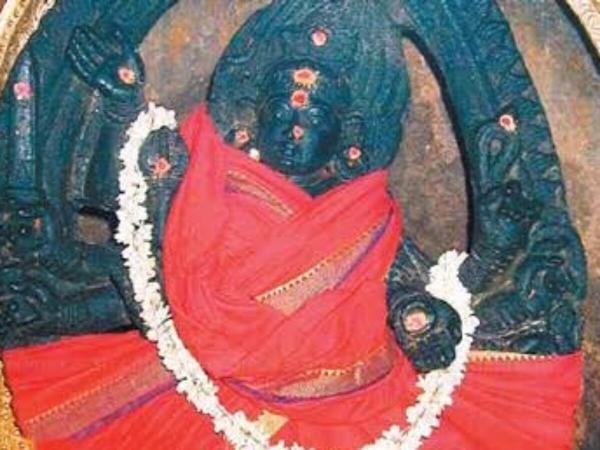
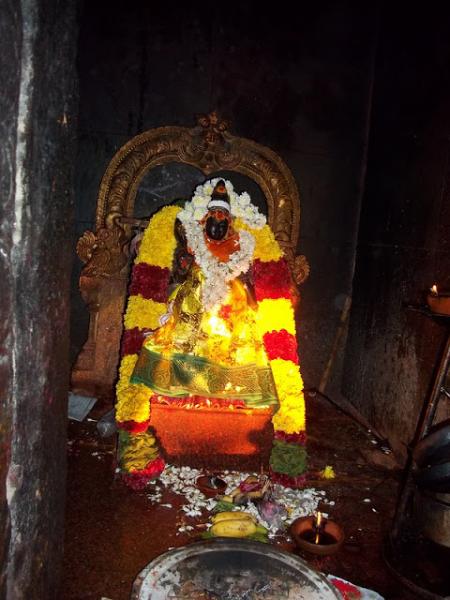
    Samayapuram Mariamman Temple is a very famous Hindu temple in Samayapuram located at the outskirts of Tiruchirappalli city. The main deity, Samayapurathal (Mariamman), a form of supreme mother goddess Durga or Maha Kali or Aadi Shakthi, is made of sand and clay and hence unlike many other Hindu deities there are no abhishekams (sacred bathing) conducted to the main deity, but instead the abishekam is done to the small stone statue in front of main deity.

    Samayapuram is a significant symbol of the native Tamil culture. There are a number of unique practices concerning the Mariamman temples in Tamilnadu. Samayapuram has been used a model to describe rural folklore in a number of researches on sociology and religion. Interestingly Samayapuram Mariyamman temple is the second highest earning temple in Tamilnadu after Palani Dhandayudhabani Temple.

    Samayapuram Sri Mariamman is a much-adored deity but unfortunately, the historicity of the shrine and its divinity could not be traced in the absence of any inscriptions in the temple or elsewhere so far. Though empirically the antiquity of the Samaypuram temple or its principal deity could not be established, the mythological belief gives a free run to several theories. The Bhagavatha Purana says Shakti is the celebrated sister power of Sri Krishna, having born as Maayadevi or Mahamaaya to Yashoda and Nanda of Gokulam. Interestingly the ancient name of Samayapuram is Kannapuram and Samayapuram is situated very close to Srirangam.

    Yet another legend points to the relationship between the Mahakali, worshipped fervently by the famed King Vikramaditya of Ujjain, and the Mariamman here at Samayapuram. It is important to note here that not far off to Samayapuram is the place Maahalikudi where the Ujjaiani Om Kaliamman temple is located. There one could see a slew of subjects, like statues for Kali, and Vedhal associated with the legend of King Vikramaditya.

    There are also stories that the Urchavar idol of Mariamman in this temple was once adored by the Vijayanagar emperors and after their downfall, was brought to the present day Samayapuram in Tamil Nadu in an ivory palanquin. Later, the Nayak king Sri Vijayarenga Chokkanathar raised a separate temple for the deity at Kannanur. The pillars of the Mandapam adjacent to the scared flag mast sport idols of Nayak kings testifying to the contributions of them to Sri Mariamman.

    “Maari’’ is also referred to as rain and in Samayapuram the deity is deeply associated with “shower of grace’’. In Samayapuram Sri Mariamman, one could experience that She singularly dons the role of the Mother, Father, Guru and Goddess, as she cares, caters, guides and graces, all for Her devotees. It is believed by the devotees that the Goddess has enormous powers over curing illnesses and hence, it is a ritual to buy small metallic replicas, made with silver or steel, of various body parts that need to be cured, and these are deposited in the Undiyal (donation box).

    Samayapuram is the only temple in the world, where the Goddess Mariyamman undergoes fasting for the welfare of mankind. Starting from the last Sunday of tamil month Masi (February-March) Mariyamman goes on fasting for 28 days. During this time no solid food is offered as Neivedhanam. Only tender coconut water, orange juice is offered. For completing this fasting famous Poo Choridhal (abishekam with flowers) will happen. Thousands of devotees will do fasting in this time.

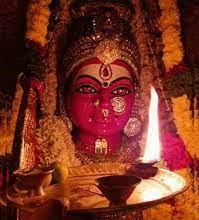
    At Samayapuram, the colour of the deity is distinctively red (Raktha Varnam), instead of black that is usually reserved for all Mariamman deities elsewhere. Perhaps this too reveals the connectivity of Mahamaayi or Mahaakali with the Samayapuram Sri Mariamman. A set of five Naagars (the five-headed serpent) adorn the deity atop her head and two each on her shoulders and hip. In the Sri Lalitha worship parlance, the Ambal here could be termed “Sahasrakshi”, the 1,000 eyed goddess.