Tag: Thirunavukkarasar

  • Thingalur Kailasanathar Temple

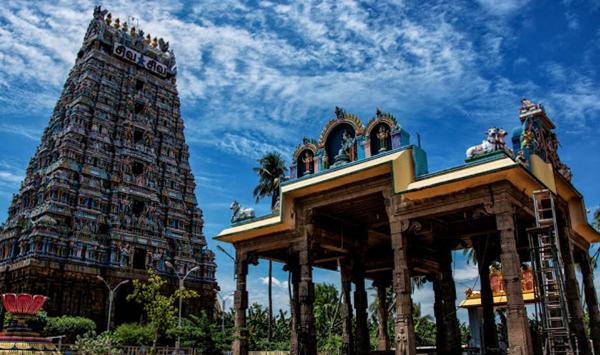
    Kailasanathar temple or Chandiranathar temple is located at Thingalur, 15 kms from Thanjavur. Lord Shiva is called Kailasanathar in this temple. This is one of the Navagraga Thalams (9 temples of 9 planets). Soma or Chandiran or Thingal (moon) is worshiped here. That is how this village got the name Thingalur. This is also one of the 275 Padal Petra Sthalams.

    Legend has it that, a merchant Appoodi Adikal, a nayanar in the village of Thingalur who was a devotee of Shiva. Appoodi Adikal held Thirunavukkarasar (Appar) in high regards. He had many establishments in the village named after Thirunavukkarasar. One day, Thirunavukkarasar arrived at Thingalur and was surprised to see so many establishments in his name. Apoodi Adigal was fascinated to meet his idol in person and launched a grand feast. He sent his son to pick plaintain leaves to serve the feast, who was killed by a venomous snake bite while the saint was being hosted. Appar, moved by Appoodi Adikal's devotion is said to have miraculously restored the lad to life by praying Lord Kailasanathar with his Tevaram song “Ondru Kolam”. Saint poet Sekkizhar mentions the story of Appudhi Adigal in Periya Puranam with 46 verses.
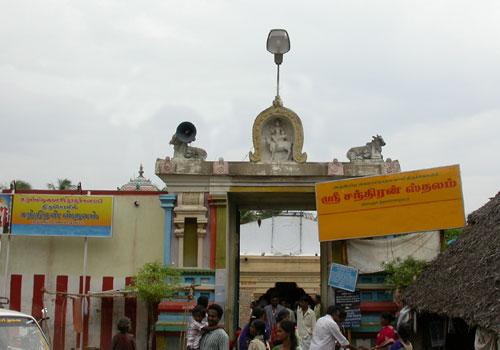
    As per another legend, Chandra (moon), the handsome looking deity, married 28 daughters of Dakkan. He showed preference only to the last one among them, which infuriated the others. They all complained it to Dakkan, who cursed moon to lose all his powers. Chandra is believed to have worshiped Kailasanathar at this place and was restored all his powers.
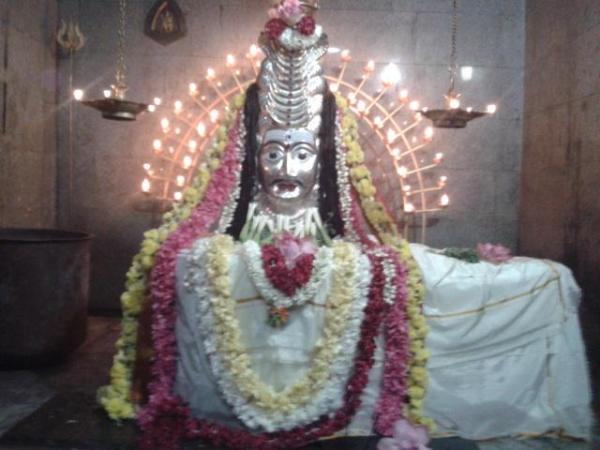
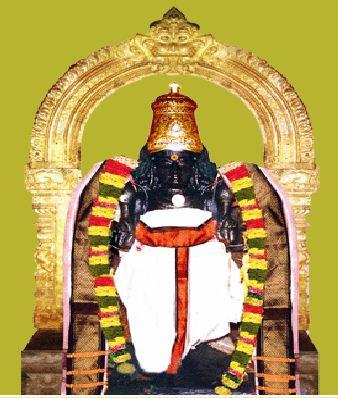
    The temple is one of the popular Navagraha pilgrimage in the state, as it houses the Shrine of Moon (Thingal). The planets are believed to influence the horoscope, which is computed based on time of one's birth and subsequently influence the course of life. Each of the planets are believed to move from a star to another during a predefined period and thus sway over an individual's fortunes. The Navagrahas, as per Hindu customs, are believed to provide both good and bad effects for any individual and the bad effects are mitigated by prayers. As in other Navagraha temples, the common worship practices of the devotees include offering of cloth, grains, flowers and jewels specific to the planet deity. Lighting a set of lamps is also commonly followed in the temple. As per local legends, Shiva, the overlord of the nine planetary deities, allowed them to freely grant wishes based on devotion of the devotees. The temple is frequented by devotees with mental illness and family problems as this is the parigara sthalam for Chandra.
    Devotees pray for mental health, progress in education and for child boon in this temple. There is a common ritual among thousands of families in Delta region that they commence here in Thingalur temple with infants of the family for their first rice feeding. Usually this function is celebrated on Revathy, Ashwini, Uthiram, Mrigaseerisham, Swathy, Thiruvonam and Sathayam star days, during the Chandra Horai time (Chandra Horai is the best time of the day for doing good things). This is called ‘Annaprasana’. Before feeding, the child is shown the moon and a cow, thus bringing the blessings of Jala Devatha (Water God) and Aushadhi Devatha (God of Medicine) for the good health of children.
  • Thiruvathigai Veerateeswarar Temple

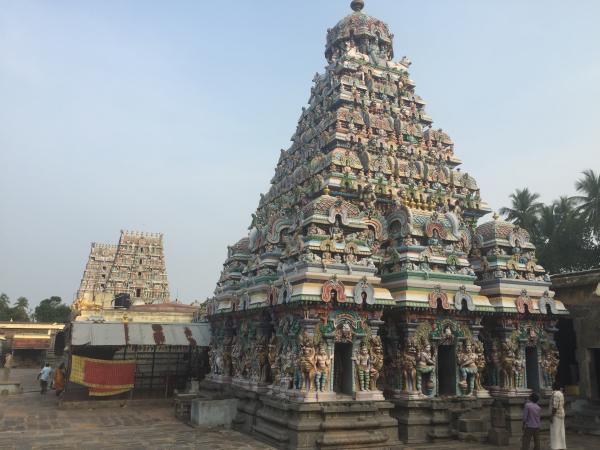
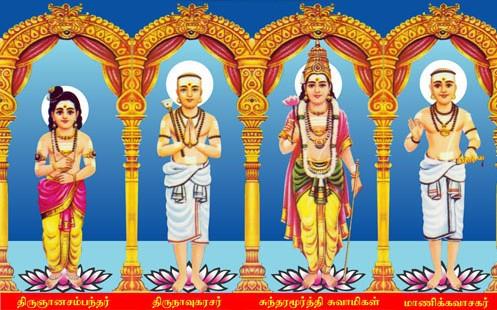
    Thiruvathigai Veerateeswarar Temple is one of the 275 prominent temples (Padal Petra Sthalangal) dedicated to Lord Shiva. It is situated in Thiruvathigai village which is about 2 kilometres east from the town of Panruti. Shiva is worshiped as Veerattaaneswarar, and his consort Parvati is depicted as Thiripurasundari in this temple. This temple is considered the place where the Saint poet Appar (Thirunavukkarasar) converted back to Saivism from Jainism and attained final salvation.

    The temple complex is one of the largest in the state and it houses two gateway towers known as gopurams. The temple has numerous shrines, with those of Veerateeswarar and Thiripurasundari being the most prominent. The temple complex houses many halls and three precincts. The temple is maintained and administered by Thiruvaduthurai Adheenam, a South Indian monastic institution.

    Legend holds that this temple is the place where Shiva destroyed three rakshashas and the three cities created by them. Saranarayana Perumal, another name of Vishnu, is the one who gave the arrow to Shiva for killing the demons, whose temple is also located in the town, little easterly. Shiva Purana details the legend of destruction of the demon Tripuran, who was ruling Tripura. The destruction is detailed as a cosmic event, which most attribute to the destruction of stars, meteors and unexplained material bodies. Tripuran attacked all the celestial deities who sought the help of Shiva to protect them. Shiva after a fiery fight, destroyed Tripuran and attained the name Tripurantaka. Shiva ashed down the city Tripura and dipped his three fingers in the ashes, which signifies the three lines of ash which is worn by all shaivites on their forehead.
    As per another variant of legend, the three sons of Taraka obtained boons from Brahma and built an impregnable fortress on earth. On account of their atrocious activities, mother earth prayed to Shiva for rescue. Shiva burnt down the fort and was about to attack the trio, but they begged for mercy. He made two of them as Dvarapalas and one as his damaroo, which he sports in his right hand. The whole incident is believed to have taken place in Thiruvathigai on the banks of river Kedilam.
     
    The Pallava king Mahendravarman I converted from Jainism to Saivism under the influence of Appar. He is believed to have destroyed a Jain monastery and built a temple called Gunavareswaram close to the temple. Mahendra Pallava is believed to have attained the name Gunavareswara on account of the incident. A king called Kalinkaraya is believed to have endowed lot of treasures and built various structures in the temple as seen from the inscriptions in the temple. King Raja Raja Chola I is believed to have stayed in this temple for a long time to study the architecture before building Brihadeeswarar Temple.
     
    Appar's sister Thilakavathiyar settled here during her later years and devoted her lifetime service to Shiva. Afflicted by a painful stomach illness, Thirunavukkarasar, who was originally called Dharmasenar and was then a staunch follower of Jainism, prayed for relief at this temple where his sister Thilagavathiyar served. By the divine grace of Shiva, he was cured. He embraced Saivism from then and started canonizing various temples with his verses. The ruling Pallava king namely Kadava who was also a Jain, punished Thirunavukarasar in various ways and finally dropped him in a lime kiln. He was subsequently cast on the waters of sea, where he started floating and was pushed ashore in Thirupathipuliyur. It is believed that some of his best songs were sung at this time in praise of the presiding deities at Padaleeswarar temple and Veerateneeswarar temple. Thirunavukkarasar came back to Thiruvathigai from Thirupathripuliyur. Influenced by the greatness of the poet, the king himself converted to Shaivism. Appar venerated Veerateeswarar in seventeen verses in Tevaram, compiled as the Fourth Tirumurai, Fifth Tirumurai and Sixth Tirumurai. The Soolai Kinaru, a well in the temple is believed to be the limestone well where Appar was dropped by the Jains. Though the actual location was in Cuddalore, the well is maintained as an indicative example of the event. The water from the well is taken by people suffering from stomach related ailments.
     
    Tirugnana Sambandar, a 7th-century Tamil Saivite poet and a contemporary of Appar, venerated Veerateeswarar in 46 verses in Tevaram, compiled as the First Tirumurai. According to the Hindu legend Sambanthar had a vision of cosmic dance of Shiva at this place.