Tag: Shiva

  • The mantra ‘Om Namachivaya’, which appears in the Vedas as a Panchacharam, plays an important role in the worship of Shiva.

    ‘ஓம் நமச்சிவாய’ மந்திரம், பஞ்சாட்சரமாக வேதத்தில் இடம்பெற்று, சிவ உபாசனையில் முக்கிய பங்கு வகிக்கிறது. பக்தி மற்றும் யோக மார்க்கத்தில் செல்பவர்கள் இதனை ஜபித்து தியானிக்கின்றனர். யோக மார்க்கத்தில், இம்மந்திரம் ஸ்தூல பஞ்சாட்சரம் (ஓம் நமச்சிவாய) மற்றும் சூக்கும பஞ்சாட்சரம் (நமசிவாய, சிவாயநம, சிவா, வசி) என பிரிக்கப்படுகிறது. மாத்திரைகளை சுருக்கி உச்சரிக்கும்போது அது சூக்குமமாகிறது என புரோகிதர்கள் விளக்குகின்றனர்.

    பிராணாயாமத்தில் பூரகம், கும்பகம், ரேசகம் ஆகியவற்றுக்கு மந்திர உச்சரிப்பு கால அளவை தீர்மானிக்க உதவுகிறது. இது பயிற்சியில் மிகுந்த பலன் தருவதாக ஆன்மிகவாதிகள் கூறுகின்றனர். குரு உபதேசம் இன்றி பஞ்சாட்சரத்தை ஜபித்து பலர் முக்தி பெற்றுள்ளனர். நள்ளிரவில் தூக்கமின்மையின்போது இம்மந்திரத்தை உச்சரிப்பது மன அமைதியை அளிக்கும்.

    ‘ஓம்’ என்பது அ, உ, ம, ம் மற்றும் அதன் நாதம் என ஐந்து ஒலிகளைக் கொண்டது, பிரம்மன், விஷ்ணு, ருத்ரன், சக்தி, சிவனைக் குறிக்கிறது. இவை படைத்தல், காத்தல், அழித்தல், மறைத்தல், அருளல் ஆகிய ஐந்து தொழில்களை மேற்கொள்கின்றன. ‘ஓம்’ உலக இயக்கத்தையும், கலைஞானம், மெய்ஞானத்திற்கு வாசலாகவும் அமைகிறது என திருவிளையாடல் புராணம் கூறுகிறது.

    எனவே, எல்லா மந்திரங்களும் ‘ஓம்’ என தொடங்குகின்றன. ‘பிரணவம்’ என்றால் ‘என்றும் புதியது’ எனப் பொருள். இஷ்ட தெய்வங்களை ‘ஓம்’ எனக் கூறி வணங்குவது ஆன்மிக முன்னேற்றத்தை அளிக்கும்.

  • The hidden secrets of making kolam!

    தமிழர்களின் பண்பாட்டில் ஒளிந்துள்ள வாழ்க்கை தத்துவங்களில் ஒன்று கோலம் போடும் பழக்கம். இதில் பல நன்மைகளும் ஆன்மீக ரகசியங்களும் அடங்கியுள்ளன.

    கோலம் போடும் முறை மற்றும் பலன்கள்:
    அதிகாலையில் சூரியன் உதிப்பதற்கு முன், பசுஞ்சாணம் அல்லது மஞ்சள் கலந்த தண்ணீர் தெளித்து, பச்சரிசி மாவால் கோலம் போடுவது சிறந்தது. கோலம் போடுவதன் முக்கிய நோக்கம் தர்மம் செய்வதாகும். பச்சரிசி மாவால் கோலமிடுவதால், எறும்பு, குருவி போன்ற உயிரினங்களுக்கு உணவு கிடைக்கும். இது புண்ணியத்தை சேர்க்கும். இவ்வாறு உயிரினங்களுக்கு உணவளிப்பது மகாலட்சுமியின் அருளை பெற்றுத்தரும். மேலும், கோலம் போடுவது காலை உடற்பயிற்சியாகவும், மன ஆரோக்கியத்தை மேம்படுத்துவதாகவும் உள்ளது. எதிர்மறை எண்ணங்களுடன் வருபவர்களின் எண்ணங்களை மாற்றும் சக்தியும் கோலத்திற்கு உண்டு.

    பசுஞ்சாணம் இட்டு மாக்கோலம் போட்டு, அதன் மீது காவி அடித்தால், மும்மூர்த்திகள் எழுந்தருள்வதாக ஐதீகம். பசுஞ்சாணத்தில் விஷ்ணு, மாக்கோலத்தில் பிரம்மா மற்றும் சிவபெருமான் இருப்பதாக நம்பப்படுகிறது. கோலத்தின் எட்டு திசைகளிலும் எட்டு பூக்கள் வைத்தால், அஷ்டதிக் பாலகர்களின் ஆசிர்வாதம் கிடைக்கும்.

    கோலம் போடும்போது கடைபிடிக்க வேண்டியவை:
    கோலம் போடும்போது அமர்ந்து போடக்கூடாது, குனிந்து போட வேண்டும். தெற்கு திசையில் தொடங்கவோ முடிக்கவோ கூடாது. சுப தினங்களில் இரட்டை கோடுகளால் கோலம் போட வேண்டும். தெய்வ உருவங்கள், எந்திர கோலம், ஐஸ்வர்யா கோலம், சக்கரக்கோலம், நவகிரக கோலம் ஆகியவற்றை வாசலில் போடக்கூடாது; பூஜை அறையில் மட்டுமே பச்சரிசி மாவால் போட வேண்டும். அமாவாசை மற்றும் முன்னோர்களை வழிபடும் நாட்களில் கோலம் போடுவதை தவிர்க்க வேண்டும்.

    எந்த கிழமையில் என்ன கோலம் போடலாம்?

    • ஞாயிறு: சூரிய கோலம், செந்தாமரை கோலம்.

    • திங்கள்: அல்லி மலர் கோலம்.

    • செவ்வாய்: வில்வ இலை கோலம்.

    • புதன்: மாவிலை கோலம்.

    • வியாழன்: துளசி மாடம் கோலம்.

    • வெள்ளி: தாமரை இலை கோலம்.

    • சனி: பவளமல்லி கோலம்.

    இவை தெய்வீக கடாட்சத்தை பெற்றுத்தரும். சமூக வலைதளங்களில், கோலம் போடுவதன் முக்கியத்துவம் பற்றி பலரும் பகிர்ந்து, இதன் ஆன்மீக மற்றும் உடல் நல பலன்களை வலியுறுத்துகின்றனர்.

  • Shiva temples with the presence of the Lord!

    தமிழ்நாட்டில் சிவாலயங்களில் திருமால் சந்நிதி அமைந்திருப்பது சைவ-வைணவ ஒற்றுமையின் அடையாளமாக விளங்குகிறது. சிவனும் பெருமாளும் ஒருங்கிணைந்து அருள்பாலிக்கும் இத்தலங்கள் பக்தர்களுக்கு சிறப்பு வாய்ந்தவை. இத்தகைய கோவில்கள் ஆன்மீகத்தில் தனித்துவம் பெற்று, பக்தர்களை ஈர்க்கின்றன.

    இதோ, அத்தகைய முக்கிய சிவாலயங்களின் பட்டியல்:

    1. சிதம்பரம்: கோவிந்தராஜப் பெருமாள் சந்நிதி இங்கு அமைந்துள்ளது. நடராஜ வடிவத்தில் சிவனுடன் பெருமாள் அருள்பாலிப்பது பக்தர்களுக்கு ஆன்மீக அனுபவத்தை வழங்குகிறது.

    2. கச்சி ஏகம்பரம்: நிலாத் துண்டப் பெருமாள் சந்நிதி, சிவபெருமானுடன் இணைந்து பக்தர்களுக்கு ஆறுதல் அளிக்கிறது.

    3. கொடி இடச் செங்குன்றார்: ஆதிகேசவப் பெருமாள் சந்நிதி, இங்கு வரும் பக்தர்களுக்கு அமைதியையும் பலத்தையும் தருகிறது.

    4. சிக்கல்: கோல வாமனப் பெருமாள் சந்நிதி, சிவாலயத்துடன் புனிதத்தை பரப்பி, ஆன்மீக உணர்வை ஏற்படுத்துகிறது.

    5. திருநயா: ஆதிகேசவப் பெருமாள் சந்நிதி, பக்தர்களுக்கு மன அமைதியையும் ஆன்மீக உயர்வையும் அளிக்கிறது.

    6. திருச்செந்தூர்: கோவிந்த ராஜப் பெருமாள் சந்நிதி, முருகன் கோவிலுடன் சிவ-வைணவ ஒற்றுமையை வெளிப்படுத்துகிறது.

    7. மதுரை: கரியமாணிக்கப் பெருமாள் சந்நிதி, மீனாட்சி அம்மன் கோவிலுடன் இணைந்து பக்தர்களை கவர்கிறது.

    8. திருநாவலூர்: வரதராஜப் பெருமாள் சந்நிதி, சிவனுடன் இணைந்து பக்தர்களுக்கு அருள் பாலிக்கிறது.

    9. திருநெல்வேலி: நெல்லை கோவிந்தர் சந்நிதி, ஆன்மீக பலத்தையும் அமைதியையும் வழங்குகிறது.

    10. திருப்புவனம்: கோவிந்தா சந்நிதி, சிவாலயத்துடன் இணைந்து புனிதத்தை பரப்புகிறது.

    11. பாண்டிக் கொடுமுடி: அரங்க நாதர் சந்நிதி, சிவ-வைணவ பக்தியை ஒருங்கிணைத்து பக்தர்களை ஈர்க்கிறது.

    12. திருவிடைமருதூர்: இங்கு பெருமாள் சந்நிதி, சிவனுடன் இணைந்து ஆன்மீக சிறப்பை வெளிப்படுத்துகிறது.

    13. திருக்கோளூர்: வைத்திய மாணிக்கப் பெருமாள் சந்நிதி, சிவாலயத்துடன் பக்தர்களுக்கு அருள் பாலிக்கிறது.

    இத்தலங்கள் சைவ-வைணவ பக்தியின் அழகிய சங்கமத்தை வெளிப்படுத்துகின்றன. சமீபத்தில், இக்கோவில்களுக்கு பக்தர்களின் வருகை அதிகரித்து, ஆன்மீக பயணங்கள் பிரபலமடைந்து வருகின்றன. பக்தர்கள் இங்கு சென்று, சிவனையும் திருமாலையும் ஒரே இடத்தில் வழிபட்டு, ஆன்மீக பலனை பெறுகின்றனர்.

  • Nelvennai Swarnakadeswarar Temple

    The small but divine temple of Lord Shiva called as Swarnakadeswarar (Porkudam Koduthu Aruliya Nayagar) is located in Nelvennai village 15 kms from Ulundurpet. This is one of the ancient temples of the erstwhile Thirumunaippadi Nadu. There are stone inscriptions in this temple dating back to the period of the Chola King Kulothungan-I. The lord’s name is inscribed as “Sri Porkudam Kodutharuliya Nayanar” meaning “the lord who gifted a pot full of gold”.
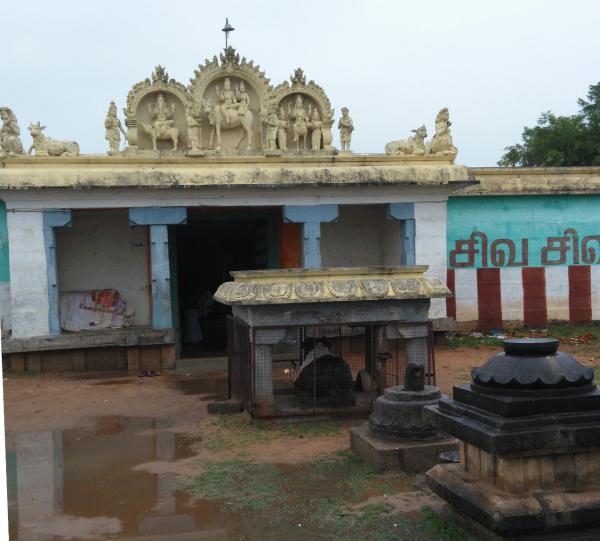
    Main deity of the temple is called Sri Swarnakadeswarar – Sri Vennai Appar – Sri Porkudam Koduthu Aruliya Nayanaar and his consort Parvathi is called Sri Neelamalarkkanni – Sri Brakannayaki. The legend is that, once this place was very fertile with paddy fields yielding plentiful harvest. The people were happy and prosperous which made them forget Lord Shiva. Angered by this, the lord directed Varuna, the God of rain, to cause a downpour in the region. Due to continuous rains, the lakes, tanks and all other water bodies began to flood. Fearing for their safety, people ran to the lord to seek his intervention.

    Lord Shiva came there disguised as a youth and asked them to bring all the paddy bags from their homes. He built a dam with paddy bags to prevent further calamity. Though the people lost all their possessions, they praised the youth as their saviour. He said that God was the giver of prosperity and they should not be ungrateful to him. The young man informed the people that there was a pot of gold (Por Kudam) in the well and they can take it to recover the loss of their harvest. Thereafter the young man disappeared and, in his place, Lord Shiva appeared as a Swaymabu lingam. There is no temple tank and well water is the Theertham here.

    As the lord is believed to have gifted a pot of gold (Swarna in Tamil), he is also praised as Swarnakadeswarar. Since Lord Shiva himself helped to build a dam (Anai in Tamil) with paddy (Nel in Tamil), the place was named Nel Anai which later changed to Nelvennai or Neivanai.
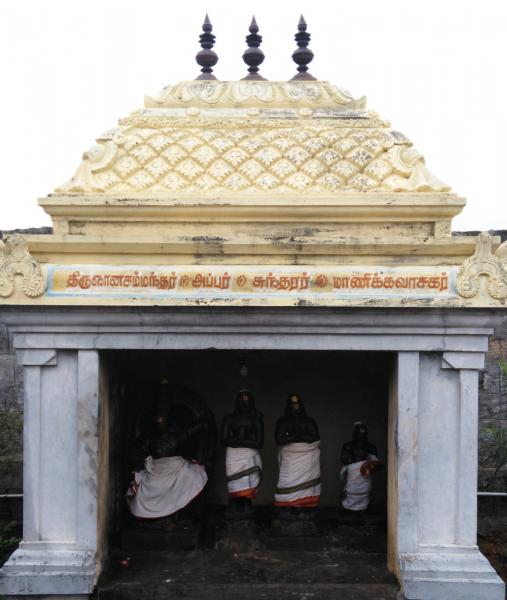
    Another legend associated with this temple is that of Saint Gnanasambanthar. During his pilgrimage, he reached this place late in the evening and was having trouble finding the temple. The Lord sent Goddess Parvathi to guide Sambanthar to the temple. Overjoyed that the Goddess herself had come to take him to the temple, Sambanthar danced and sang the praise of Lord Shiva. A beautiful idol of Gnanasambanthar in dancing form can be seen here.

    It is believed that every year, Suryan (Sun) worships Lord Shiva in the early morning of Maha Shivarathri day by touching the feet of the Lingam in the sanctum. The wonder is that, on this occasion, the lingam appears in four different colours – blue, green, white and red.
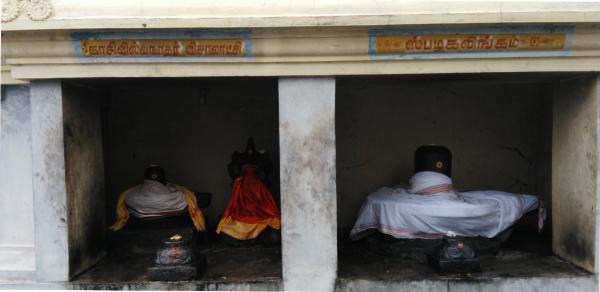
    Lord Mahavishnu graces from a separate shrine in the corridor with Goddess Mahalakshmi on his lap as Lord Lakshmi Narayanar. Lord Shiva’s procession deity is in the Arthanareeswara form. He is depicted in a standing form with a trident on his back. This symbolizes the oneness of Shiva and Shakti. In his hymn of this temple, Saint Thirugnanasambanthar mentioned that “My lord resides in this fabled land of Nelvennai. Worshipping him is the duty of the righteous”.

    Special pujas are offered to Lord Bhairavar on new moon days (Pournami). Devotees believe that performing poojas by applying white butter on the lingam (Vennaikappu) will remove obstacles from marriage proposals, help them get better job opportunities and relieve them from their debts.
     

  • Arulmigu Kapaleeswarar Temple in Mylapore

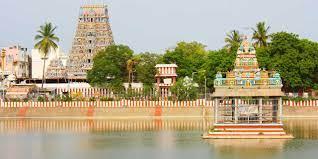
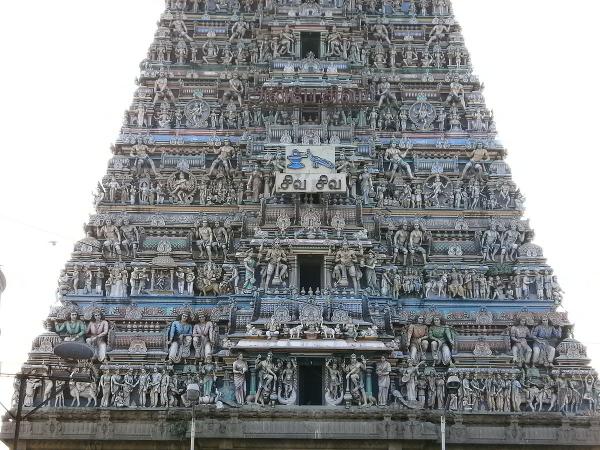
    Arulmigu Kapaleeswarar Temple in Mylapore is one of the sacred shrines in Chennai, Tamil Nadu. It is a Shiva Temple where Lord Kapaleeswarar blesses the devotees with the Goddess Karpagambal. The name Mylapore is derived from the legend that the Goddess Uma worshipped Shiva in the form of a peacock (or mayil in Tamil). A representation of this legend is seen on a stone in a small shrine under a Punnai tree in the Courtyard of the temple.


    The legend says that once, Goddess Uma desired to know the complete interpretation of the five letter mantra Na Mah Shi Va Ya. Goddess Uma persuaded Shiva to touch teach her. Shiva consented and commenced teaching. However Goddess Uma was distracted by a beautiful peacock and her attention wandered. Shiva was infuriated and cursed Her to go to sacred Thondai Nadu and perform penance. Goddess Uma worshipped the Shivalinga under the Punnai Tree in the temple vicinity. Moved by Goddess Uma's utmost devotion, Lord appeared before Her and released Her from the curse and fondly called her Karpagavalli. Goddess Uma requested Lord Shiva to name the place Mylai and stay back with her to bestow blessings on all the devotes. Accordingly, Mylai became the abode of Kapaleeswarar and Karpagambal.

    There is another legend associated with Mylai being called Kapalesswaram. Lord Brahama thought that he was as great and equal to Lord Shiva as he too had five heads. Shiva known for his spontaneous reaction decided to teach Brahma a lesson and cut down his ego. Shiva nipped one head and held the skull in his hand. Kapalam means skull.Therefore Lord Shiva was praised as Kapaleeswarar and the place of worship is called Kapaleeswaram.

    Shivite saints, Sambandar and Appar have sung the praise of this Holy Shrine. Therefore it is one of the "Paadal petra Sthalam" meaning, a shrine that has a dedicated hymn from the saints.

    The Pond of this Shrine is huge and is a view to behold. There are several occasions where the pond is an integral part of celebrations in this temple. This is the seventh and last of the Saptha Sthana sthalangal in Mylapore.

  • Mythology of Masi Magham

    Masi Magham has an interesting legend. After every four Yugas an Armageddon is believed to wipe out the world and the earth has seen several apocalypses. The world would then be created afresh from scratch. Once, Lord Brahma, the Creator, came to know about Lord Shiva’s plan to recreate the universe after destruction. Lord Brahma then sought the guidance of Lord Shiva. Lord Shiva asked Lord Brahma to fill a Kumbham (pot) filled with Amirtham (elixir) and the source energy to recreate the world and place it at the top of Mount Meru. Lord Brahma requested him to begin his work of re-creation from Kumbakonam (a sacred temple city in Southern India). This was where the pot was found on a Magha nakshatra in the Tamil month Masi.

    Another interesting legend associated with Masi Magham is that of King Vallala of Thiruvannamalai, an ardent devotee of Lord Shiva. King Vallala had no heir. So, he prayed to Lord Shiva to perform his last rites. The king died on a Masi Magham day, and as promised, Lord Shiva performed his last rites. He also declared that whoever takes a bath in the sea during Masi Magham will be granted "Moksha." Devotees believe that every year Lord Shiva visits the seaside to perform the last rites of the king Vallala.

    People gather near water bodies to celebrate this festival. This day is believed to be extremely beneficial in removing the karma accumulated across seven births.

    Observing Masi Magham bestows the blessings of ancestors and helps appease the departed forefathers for their grace. Therefore, it removes all hurdles in life.

  • How to fast for Pradosha?

    Pradosa worship is one of the most important forms of worship associated with Lord Shiva. The word Dosham/Dosha means sin; Pradosham means innocence. It is said that if we worship Lord Shive in this auspicious time of innocence, all our sins will be forgiven. Pradosha lasts from 4 pm to 6 pm.

    Let us now see the guidelines to adhere fasting on this day:

    After showering in the morning, light a lamp in pooja room for Lord Shiva. Put kolam using rice flour (arisi maavu kolam) in the kitchen. Avoid eating food from the morning. Do not take milk, tea or coffee. Instead, eat fruits and juices. After cooking vegetarian food, worship Nandi and Lord Shiva at the nearby Shiva temple in the evening.

    On auspicious days like this, lighting sambrani/dhoop at home adds to the serenity. Traditionally, foos is served on banana leaves. Offer some food for the crow and donate food to the poor or the monks. Observance of this fast is believed aid in marriage and for those who wish to have a child to complete the family. One will have a peaceful life with all the riches.