Tag: Rama Bhakta Hanuman

  • Hanuman’s love for Rama

    Lord Hanuman is one of the most cherished Hindu Gods. As per the ancient Hindu texts, most of his legends and stories owe to the great epic of Ramayana. His loyalty and commitment towards Lord Rama have been revered by his devotees. Apart from his selfless devotion towards Lord Rama, he is also known for his fearlessness, courage and wisdom. He has also played a significant role in Mahabharatha.

    In this article we bring to you two very interesting incidents in Hanuman's life in relation to Rama:

    Lord Hanuman covered his body with sindoor for his Lord Rama. Yes, that;s right… Many times you visit the Hanuman temple and you see how the deity is covered in auspicious sindoor. Lord Hanuman once saw Ma Sita wear sindoor on her forehead and out of curiosity, he asked her why she does the same. Ma Sita told Lord Hanuman that wearing sindoor will result in Lord Ram’s well-being and long life. That’s when Lord Hanuman was struck by the idea of applying sindoor all over his body to increase Lord Rama’s life span. 

    Lord Rama had once issued a death sentence to Lord Hanuman. Even though Lord Rama loved his ardent devotee Hanuman, he once issued a death sentence against him. This was because Hanuman did not greet Vishwamitra at the court which angered the sage. He then ordered Rama to punish Hanuman with death by arrows. Rama was obligated to listen to Vishwamitra because he was his Guru. Thus, the next day he asked his men to sentence Hanuman to death by shooting arrows at him. But the arrows caused no harm to Hanuman as he kept chanting Rama’s name. Lord Rama‘s Brahmastra also was of no use against Hanuman’s chanting. Later it was discovered that Narada had instigated Hanuman and asked him to greet all sages but Vishwamitra. This is said to have been orchestrated by Narada to show the power of Hanuman's devotion to Rama.

    May the immortal Lord Hanuman bless you!
  • A folklore behind traditional order of serving food at a feast

    We all have heard several stories behind customs followed in day-to-day life. They help us to remember what the family elder is trying to teach us and also, gives us a reason to adhere to such customs.

    If you’re familiar with Indian customs of treating the guests, you will most certainly know that serving them feast plays the most important part in honoring them. In other words, we Indians literally adhere to “Athithi Devo Bhava”, meaning Guests are Divine when we serve them feast.

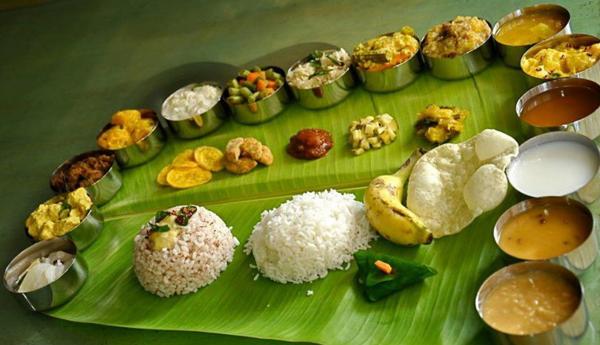
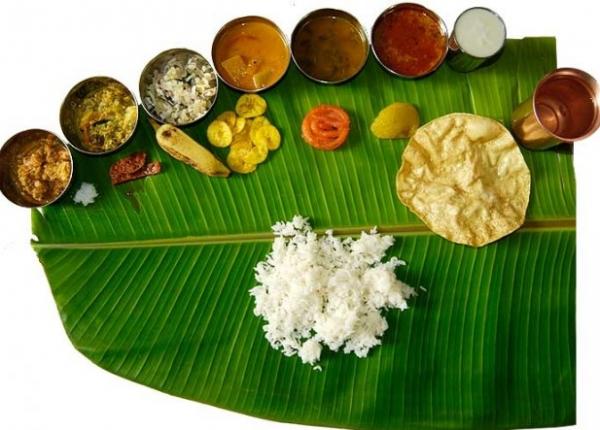
    In Southern India, feast is usually served in a huge banana leaf, which is called Thalai Vazhai Ilai in Tamil. More importantly, the order in which the items are served is crucial. Always, and I mean ALWAYS, the vegetables are served before the staple food rice. Here’s why:

    In this article, we take you to the day Lord Rama returned to Ayodhya to claim his rightful place as King. Emerging victorious in the battle against Lankeshwar and happily reunited with his family, a joyful Lord Rama comes home to a celebratory feast.

    While all his brothers enjoy each other’s company and family keeps family busy, there was only one person that Lord Rama wanted to share his meal with – Lord Hanuman. The humble bhakt that He is, Hanuman is overjoyed at Rama’s invitation to feast with him.

    Sitting down to eat, Rama surprises Hanuman even more by asking him to eat from the same banana leaf as him. This was Rama’s gesture to show his love and gratitude to his loyal Hanuman for being by his side throughout the war and beyond.  

    Now, Lord Hanuman, the head of Vanara Sena is said to prefer vegetables and fruits for food. Therefore, Lord Rama serves all the vegetables and fruits on Hanuman’s half of the banana leaf. And only then his food is served on the other half of the leaf. This gesture too, emphasizes on the importance of putting your guest first.

    To this day, all South Indian households follow the custom of serving vegetables first and then the staple. Be it ceremonies or even restaurants, you may notice this custom being followed.

    So, the next time you come across a Thalai Vazhai Ilai Virundhu (feast), remember the everlasting bond of love and friendship shared between two great warriors and the reverence they had towards each other.

    May you, my dear reader, be blessed to experience the joy of sharing!